Pharmacists are vital to the provision of healthcare. They provide medication and ensure the medications they prescribe are safe for patients. To become a pharmacist or pharmacy technician in California, you must first obtain training and obtain a license through the California State Board of Pharmacy. The board also issues licenses to qualified professionals. Also, it sets standards of practice for licensed pharmacists and pharmacy technicians.
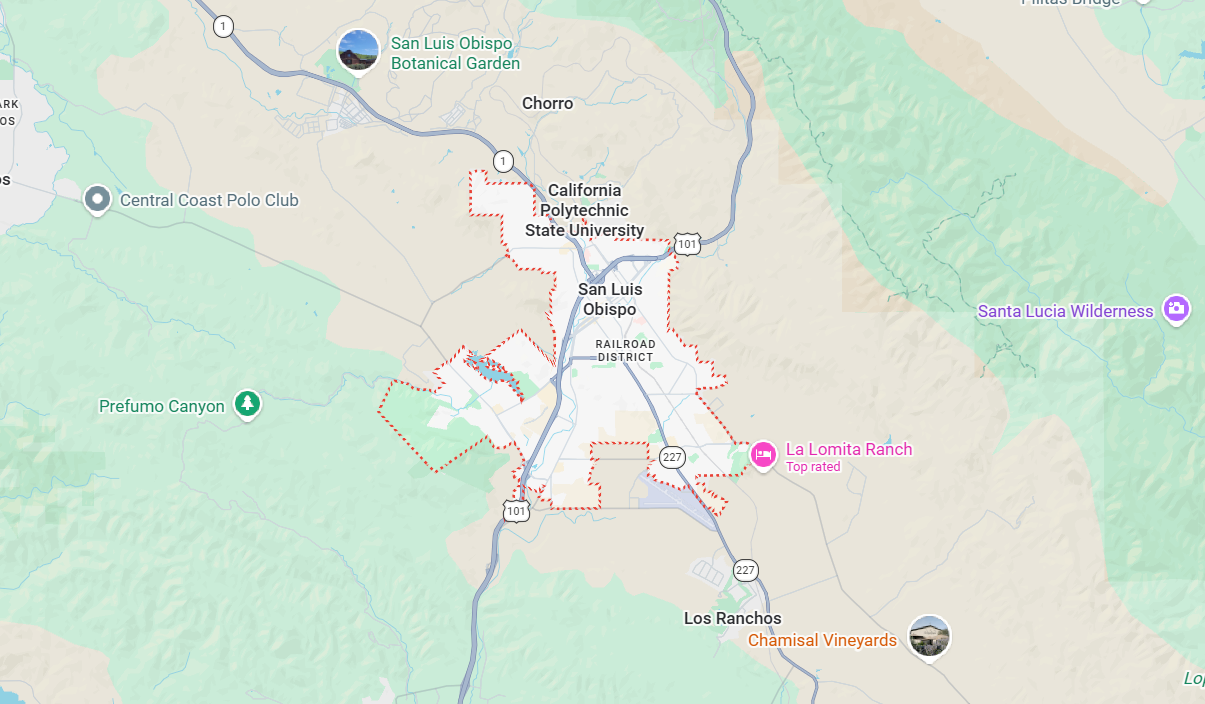
These guidelines ensure that professionals practice safely and patients do not suffer harm. If you fail to comply with the board standards, you could face an investigation and disciplinary action. Depending on the nature of your violation, the board can impose probation, warnings, or license suspension. Losing your right to practice can stall your career and affect your livelihood. Therefore, if you are under investigation by the board in San Luis Obispo, CA, you will have the expert legal insight we offer at San Luis Obispo License Attorney.
Responsibilities of Pharmacy Technicians and Pharmacists
The roles that pharmacists and pharmacy technicians play in healthcare include:
Dispensing Medications
Pharmacists, as well as pharmacy technicians, will provide and deliver the proper medications to the patient. This ensures that the prescription is accurate according to the doctor’s orders. Dispensing medication correctly minimizes the risk of errors and protects the patient’s safety.
Explaining How Medicines Work
Pharmacists teach patients how to take different medications. They tell patients when to take their medications. Also, they inform them of each medication’s side effects. Giving clear instructions helps patients avoid negative reactions to medication.
Detecting Drug Interactions
Certain drugs might produce dangerous reactions when taken together. This is why pharmacists check drug prescriptions for harmful interactions.
Maintaining Patient Records
The pharmacy technician needs to properly keep records. Proper record keeping prevents errors. It will also improve coordination among other medical professionals.
Assisting Doctors and Nurses
Pharmacists may interact closely with other healthcare providers and suggest safer or more effective medications for patients. The information assists with patient care.
Medicine Stock Management
The pharmacist technician helps manage the medicine stock. They ensure that medicines have not expired and maintain adequate stock levels to avoid shortages.
Safety and Legal Guidelines
Pharmacists take safety regulations very seriously in the healthcare industry. The pharmacists maintain patient confidentiality and manage controlled medicines accordingly.
The California State Board of Pharmacy (CSBP)
The CSBP is a state agency that regulates the practice of pharmacists and pharmacy technicians in California. The board’s main goal is to ensure the safety of all patients. The responsibilities of the CSB include:
Licensing Pharmacists
Licensing is a requirement for pharmacists and pharmacy technicians to practice in California. The board will license professionals upon completion of the training and passing a licensing exam. Licensing helps ensure that only competent professionals provide services to the clients.
Setting Standards
The board establishes and enforces standards for pharmaceutical professionals. The standards dictate the right way to practice and ethical considerations.
Handling Complaints
The board recesses and handles complaints about licensed professionals. Some of these complaints allege professional misconduct or negligence.
Disciplining Violations
After receiving complaints, the board investigates them and imposes disciplinary action on professionals found liable. Common disciplinary actions the board can impose include probation, reprimands, and license suspensions.
Public Education
The CSBP offers education and training to the public. This helps patients understand the level of care they should receive. Also, the board gives channels for patients to check whether a pharmacist is licensed.
Violations Committed by Licensed Pharmacy Technicians and Pharmacists in California
Licensed pharmacists and pharmacy technicians must follow strict professional and legal standards. A violation of the standards can result in severe action by the board. You could be cited for common violations, including:
Unlicensed Practice
Pharmacists and pharmacy technicians must have valid licenses to work in California. Working without a license is illegal. You could face allegations for this violation if you never had a license or if you continue to practice even after the license expires. Some people work while their license is suspended or revoked. Unlicensed practice puts patients at risk. Also, it can lead to fines and criminal charges.
Gross Negligence
Gross negligence is when a professional behaves in a manner that endangers their patients’ well-being. Activities that constitute gross negligence are much worse than mere carelessness. Some examples of gross negligence include:
- Administering the wrong medication or dose
- Not checking dangerous drug interactions
Such activities pose great risks to patients. If the board determines that you are guilty of gross negligence, your license can be revoked.
Failure to Protect Patient Privacy
Pharmacists and pharmacy technicians must keep patient information private. The information includes:
- Medical records
- Prescription details
- Personal details
Unauthorized disclosure of private information is a grave breach of professional ethics. Such breaches could occur due to unintentional discussions or unauthorized access to documents. Privacy breaches can also occur when confidential information is posted on social media. Such breaches may result in legal actions against the offenders.
Substance Abuse
Substance abuse is a serious problem in the pharmacy field. Pharmacists and technicians have access to a wide range of medications. Substance abuse can affect your judgment and increase the risk of medication errors. The board can impose disciplinary action if you are cited for substance abuse. Occasionally, the CSBP may require you to go through treatment programs before returning to practice.
Criminal Convictions
As a licensed pharmacist or pharmacy technician, a criminal conviction can do more than land you in jail. When the board learns of the arrest and conviction, it can open an investigation and discipline your license. Whether or not a conviction can affect your license will depend on its impact on your ability to practice safely. Common convictions that could jeopardize your license include:
- Fraud
- Sexual battery
- Child abuse
- Driving under the influence of drugs
- Prescription Fraud
Prescription fraud involves illegally changing or creating prescriptions. A person may forge a doctor’s signature or alter medication details. Prescription fraud can lead to criminal charges, fines, and jail time. Additionally, it may also result in the loss of your pharmacy license.
Distributing Controlled Substances Illegally
California has strict laws on controlled substances. Pharmacists and technicians must carefully follow these rules. Illegal distribution of these substances involves:
- Selling drugs without valid prescriptions
- Dispensing excessive amounts of medication
All of these activities may lead to addiction and drug abuse. California strictly punishes the unlawful sale of controlled drugs. In case you are found guilty of committing this act, your license might be revoked by the board.
California State Board of Pharmacy Disciplinary Process
If you commit a practice or ethical violation as a licensed pharmacist, you may undergo the following disciplinary process:
Complaint
The disciplinary process begins when someone files a complaint against you. Complaints to the CSBP could come from patients, their families, employers, or law enforcement. A person can submit a complaint against you if you put a patient at risk or if your actions do not meet the standards. When submitting a complaint, a patient or organization can email the CSBP or use other acceptable reporting channels.
Initial Review
Upon receiving a complaint, the board reviews it to ensure that it falls within its authority. If a complaint falls into another jurisdiction, the board transfers it there for further review. During this stage, the board also rules out complaints without merit. The board dismisses many disciplinary cases at this step.
Investigation
If a complaint falls within the CSBP’s authority, the board appoints an investigator to handle it. The investigator will gather additional evidence by interviewing witnesses and reviewing key documents. Also, they may examine your criminal record.
Stipulated Agreement
If the board finds some evidence against you in the investigation, they may suggest that you settle the case beforehand. Through a stipulated agreement, you can accept liability for the violation and face disciplinary action. When you enter a stipulated agreement, you can save on time and resources needed for the hearing. You may also be able to negotiate a disciplinary action that lets you keep your right to practice.
Not all agreements are in your favor. If you have enough evidence to prove that you did not commit the violation, you can deny the agreement and go to trial. Before making any decision in your case, you should talk to your lawyer.
Administrative Hearing
If your case does not end in a stipulated agreement, the board will schedule an administrative hearing. At this hearing, you and the board will present your case before the administrative law judge. When attending the hearing, you have a right to legal representation. A skilled lawyer can help you gather evidence and present it. Furthermore, you are entitled to cross-examine the witnesses presented by the board.
After listening to both sides of the case, the ALJ will review the evidence and issue a decision.
Final Decision
The ALJ’s decision in your case is not final. The CSBP will have the right to adapt, modify, or make any necessary changes. If the board finds that you committed a violation, your case can move to the disciplinary phase.
Appeal
If you believe that there are procedural errors in your case, you can file an appeal. You have up to 30 days from the date of receiving the decision to appeal.
Disciplinary Action by the California State Board of Pharmacy
The CSBP has the power to discipline pharmacists and pharmacy technicians who violate the standards. The type of punishment that the board can impose usually depends on the severity of your violation. Common disciplinary actions that you could face include:
Public Reprimand
A public reprimand is a formal warning from the board. When the board issues the reprimand against you, you can continue to practice. Often, you could face such disciplinary action after a minor violation. Even though you can keep your license, the reprimand can damage your reputation and career opportunities. This is because it is entered into your record, which is accessible to employers and the public.
Citation and Fines
The board may issue citations and financial penalties for certain violations. Fines vary depending on the seriousness of the conduct. Citations are common when you are found liable for:
- Recordkeeping mistakes
- Minor regulatory violations
In addition to a fine, the board will require you to rectify the mistake that resulted in the violation.
License Probation
Probation allows a pharmacist or pharmacy technician to continue working under strict conditions. However, the board may require you to undergo the following:
- Extra training
- Drug testing
- Supervision
- Make regular reports
License probation lasts for a set period. If you violate the terms of your probation, the board can impose harsher punishment.
License Suspension
In case of serious violations, the board has the authority to place you on license suspension. Once your license is placed on suspension, you will no longer be able to work as a pharmacist or a pharmacy technician. Licenses can be suspended for periods ranging from weeks to months or even years, depending on the seriousness of the violation.
License Revocation
License revocation is the most serious disciplinary action that the CSBP can impose on your professional license. A revocation permanently removes your right to practice pharmacy. Revocation is reserved for severe violations.
Find a Reliable License Defense Attorney Near Me
As a licensed professional, you must follow the board’s practice and ethical standards. In addition to setting these standards, the CSBP issues licenses to qualified professionals. You can be reported to the board for a violation if you engage in acts such as unlicensed practice, negligence, or practicing under the influence of alcohol or drugs.
After receiving a report of your violation, the board can investigate you and schedule an administrative hearing. At this hearing, you will have the right to defend yourself against the allegations. If the board finds you liable for the alleged violation, it can impose license discipline. Disciplinary action can range from simple warnings to severe measures such as license revocation.
Losing your professional license can mean the end of your career and livelihood. Therefore, if you are in this predicament, you will need the expert legal insight we offer at San Luis Obispo License Attorney. Call us at 805-764-9771 from San Luis Obispo to discuss your case.